Mushrooms Witch Hat Embroidery Design Review
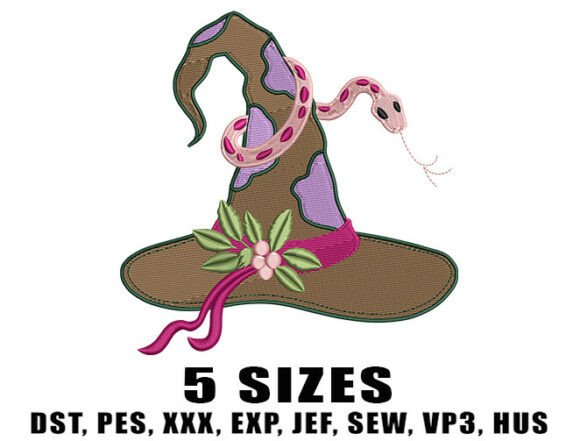
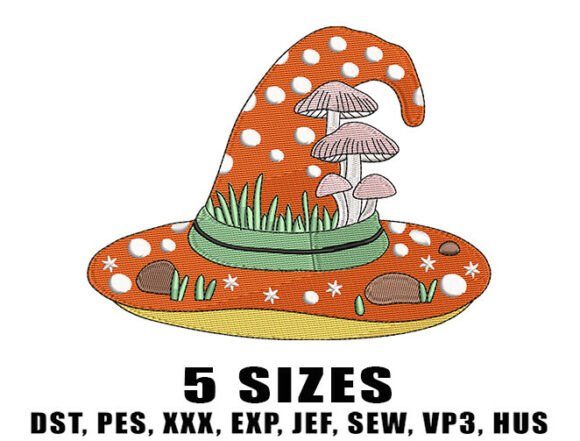
As an embroidery designer who has spent years digitizing files for small businesses and boutique brands, I approach every new machine embroidery design with a critical eye. It is not enough for a file to look cute on a screen; it must perform under the needle, withstand washing, and elevate the brand identity of the client using it. Today, I am reviewing the Mushrooms Witch Hat Embroidery Design, a whimsical piece that promises a magical forest vibe with its orange witch hat adorned with mushrooms, stars, and grass.
This review is tailored for small business owners, apparel decorators, and handmade brands considering this asset for their next production run. Whether you are creating branded patches, staff uniforms, or seasonal merchandise, understanding how this design translates from a digital embroidery file to a tangible product is crucial for your bottom line.
First Impressions and Visual Personality
The immediate impression of the Mushrooms Witch Hat Embroidery Design is playful yet grounded in nature. The combination of an orange witch hat with organic elements like mushrooms and grass creates a unique aesthetic that bridges the gap between spooky Halloween themes and earthy, cottage-core trends. For a brand, this visual personality suggests friendliness, creativity, and a touch of rustic charm.
Unlike aggressive or overly complex logos, this design feels approachable. It is decorative without being cluttered, which is essential for maintaining a professional look on merchandise. The inclusion of stars adds a subtle sparkle that can catch the light, enhancing the perceived value of the finished product. However, designers must note that "whimsical" does not mean "sloppy." The balance between the hat structure and the organic mushroom shapes needs to be precise to avoid a messy appearance after stitching.
Real-World Business Applications
Where does this design truly shine in a commercial setting? The versatility of the Mushrooms Witch Hat Embroidery Design makes it a strong candidate for various small business merch items. Here is how I envision it performing in real-world scenarios:
- Embroidered Patches: This is perhaps the strongest use case. A patch allows for high-density stitching on a stable backing, ensuring the details of the mushrooms and stars remain crisp. These can be sold as standalone accessories or used to brand tote bags and jackets.
- Apron Embroidery: For bakeries, florists, or craft studios, this design works beautifully on aprons. It adds a personal, handmade touch that customers associate with artisanal quality. The nature-inspired theme aligns perfectly with businesses selling organic or handcrafted goods.
- Cap Embroidery: Placed on the side or back of a cap, this design offers a subtle branding opportunity. It is less intrusive than a large chest logo but still provides recognizable brand identity.
- Tote Bag Design: As eco-friendly packaging becomes standard, embroidered tote bags are premium giveaways. This design’s whimsical nature encourages customers to reuse the bag, extending brand visibility beyond the point of sale.
For Etsy sellers and crafters, this design can serve as a central element in custom apparel lines. It appeals to buyers looking for unique, non-corporate aesthetics. By offering this on hoodies, sweatshirts, or even baby onesies, you tap into the growing market for gender-neutral, nature-loving fashion.
Technical Considerations and Production Notes
Before running a full production batch, there are technical factors to consider. The product description mentions five sizes, with Size 1 at 3.8 inches and Size 2 at 4 inches. This range is vital for planning your hoop size and placement.
Stitch Density and Fabric Texture: Whimsical designs often rely on varied stitch types to create texture. When embroidering on textured fabrics like canvas totes or thick denim, ensure your stabilizer is robust enough to prevent puckering. The grass and mushroom details may require careful tension adjustments to avoid thread breaks or nesting.
Thread Colors: The orange of the witch hat is the dominant color. Ensure you have high-quality rayon or polyester threads that offer vibrant saturation. Dull orange thread can make the design look aged or dirty rather than magical. Contrast is key here; the green of the grass and the colors of the mushrooms must stand out against the hat and the background fabric.
Small Patch Sizes: If you plan to use the smallest size for tiny labels or petite patches, inspect the detail level closely. Fine lines in the stars or mushroom gills may merge if the stitch count is too high for the physical dimensions. Always run a test stitch-out on the actual fabric you intend to use.
Brand Identity and Customer Trust
Using a cohesive design like the Mushrooms Witch Hat Embroidery Design strengthens brand identity. Consistency in visual assets builds customer trust. When a customer sees the same whimsical, high-quality embroidery on your apron, your packaging, and your social media printable mockup, they perceive your business as professional and attentive to detail.
This design helps differentiate your brand from competitors using generic clip art. It signals that you invest in unique design assets that reflect your specific niche—whether that is a mystical bookstore, an organic cafe, or a handmade jewelry shop. The emotional connection customers feel toward "magical" and "nature-inspired" imagery can increase buyer engagement and loyalty.
Practical Designer Checklist
To ensure success with this commercial embroidery project, follow these steps before finalizing your order:
- Test in Black and White: Before committing to colorful threads, stitch the design in black thread on white fabric. This reveals any gaps in coverage or issues with stitch density that color might hide.
- Check Commercial Licensing: Verify the license terms included with the embroidery file. Ensure you have the right to use it for physical goods you intend to sell.
- Create a Mockup: Use a printable mockup or digital simulation to show clients or stakeholders how the design looks on different items. This manages expectations and reduces revision requests.
- Confirm Hoop Size: Match the design size (3.8 to 4 inches for the smaller options) with your machine’s hoop capabilities. Do not attempt to resize beyond the recommended limits, as this distorts the stitch pattern.
- Evaluate Washing Durability: If used on uniforms or frequently washed items, ensure the stitch direction supports the fabric grain to prevent distortion over time.
In conclusion, the Mushrooms Witch Hat Embroidery Design is a versatile and charming asset for businesses looking to add a touch of magic to their merchandise. By paying attention to technical details like stabilizer choice and thread contrast, you can transform this digital file into a high-value handmade product that resonates with your audience. Always prioritize quality control in your test runs to maintain the professional standard your brand deserves.