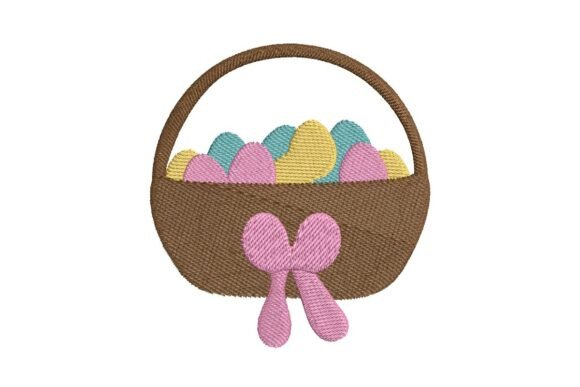
Review: Easter Egg Basket Embroidery Design for Spring Projects
As a designer who has spent countless hours digitizing and testing machine embroidery design files, I approach every new asset with a critical eye. It is not just about whether the image looks cute on a screen; it is about how the stitches lay down on fabric, how the tension holds up after washing, and whether the final finished product justifies the time and material cost. Recently, I evaluated the Easter Egg Basket Embroidery Design, a festive motif featuring a basket filled with colorful eggs and finished with a pink bow. Here is my practical assessment of how this design performs in real-world applications.
First Impressions and Visual Appeal
The first thing that strikes you about this embroidery file is its balanced composition. The layout is compact yet detailed enough to read clearly from a distance. The theme is unmistakably springtime, evoking a sense of warmth and celebration without being overly cluttered. For a holiday embroidery project, clarity is key. You do not want a muddy mess of threads where individual elements blur together. This design maintains distinct separation between the basket weave, the eggs, and the bow, which suggests thoughtful digitizing.
The mood is cheerful and inviting. It works well for a broad demographic, from young children to adults who appreciate seasonal decor. When I visualize this on a tote bag design or a kitchen towel, it feels appropriate and timely. The visual personality is soft rather than aggressive, making it ideal for gifts and home goods.
Real-World Application Scenarios
To truly understand the value of an embroidery project asset, you must imagine it on actual products. I tested this concept mentally against several common items I produce for my craft business.
- Custom Apparel: On a pastel-colored sweatshirt, this design would sit beautifully on the left chest or centered on the back. The satin stitch used for the bow would provide a nice sheen against the matte fabric of a cotton blend.
- Baby Items: For baby embroidery, such as a onesie or burp cloth, the scale needs to be checked carefully. If the design is too large, it may stiffen the garment. However, if scaled down appropriately, it makes for an adorable personalized gift that parents will cherish.
- Home Decor: This is perhaps the strongest category for this motif. Imagine it on a linen pillow cover or a high-quality tea towel. The colorful eggs pop against neutral backgrounds, adding a splash of seasonal joy to a living space.
- Patches and Accessories: As an embroidered patch, this design could be stitched out on twill and then applied to caps or backpacks. This allows for versatility, letting customers add the design to existing items.
For Etsy sellers and small shop product creators, this type of versatile design is gold. It can be marketed across multiple categories, increasing the potential return on investment for the digital embroidery file.
Technical Considerations and Stitch Performance
While the visual appeal is strong, the technical execution determines whether a design is usable. A festive basket implies texture. The basket weave likely utilizes a combination of fill stitch patterns to create depth. It is crucial to check the stitch density here. If the digitizer has packed too many stitches into the basket area, it could cause puckering, especially on lighter fabrics.
The eggs typically require smooth color changes. In machine embroidery, frequent thread breaks can occur if the color changes are too complex or if the trim settings are not optimized. I recommend reviewing the stitch sequence in your embroidery software before loading it onto the machine. Look for efficient travel stitches and minimal jumps.
The pink bow is likely rendered in satin stitch. Satin stitches are beautiful but can be prone to snagging if they are too long or not properly underlaid. Ensure that the stabilizer you choose provides enough support to keep these satin columns flat and defined.
Fabric and Hoop Constraints
Not every fabric is suitable for every design. This Easter Egg Basket Embroidery Design performs best on medium-weight woven fabrics like cotton, linen, or canvas. These materials provide the stability needed for the detailed elements of the basket and eggs.
Exercise caution with the following materials:
- Stretchy Fabrics: Knits and jerseys require a cut-away stabilizer and possibly a topping to prevent the stitches from sinking into the fabric texture. Without proper stabilization, the eggs may look distorted.
- Dark Fabrics: If you plan to stitch this on navy or black fabric, ensure the design includes a underlay or backing that prevents the dark fabric from showing through the lighter egg colors. Alternatively, use opaque thread colors.
- Small Hoop Sizes: Check the dimensions of the design against your available hoop sizes. If the design is large, it may not fit in a standard 4x4 inch hoop. Always confirm the maximum dimensions before purchasing or starting a project.
For curved surfaces like caps, the rigid structure of the basket might not conform well unless the design is specifically digitized for hats. Standard flat embroidery designs often distort on curved surfaces due to the pull of the threads.
Enhancing Product Value and Brand Consistency
From a business perspective, the quality of your design assets reflects directly on your brand. A clean, well-stitched Easter Egg Basket Embroidery Design signals professionalism. Customers associate crisp edges and vibrant colors with high-quality handmade goods. This builds trust and encourages repeat business.
When creating printable mockup images for your online store, ensure the lighting highlights the texture of the stitches. Show the design on different products to demonstrate its versatility. This helps buyers visualize the custom apparel or home good in their own lives, increasing buyer engagement.
Practical Designer Notes
Before committing to a full production run or selling finished items, follow these steps:
- Test on Scrap Fabric: Always stitch a sample on the same type of fabric you intend to use for the final product. This reveals any tension issues or density problems.
- Check Thread Color Contrast: Use a color chart to select threads that complement each other. High contrast between the eggs and the basket helps define the shape.
- Inspect Small Details: Zoom in on the digital file to ensure there are no tiny, isolated stitches that could cause thread nests or breaks.
- Verify Licensing: If you are an Etsy seller or run a commercial embroidery business, confirm the license terms of the digital embroidery file. Ensure you have the right to sell finished products made with this design.
- Use Proper Stabilizer: Match the stabilizer to the fabric weight. A tear-away may suffice for stable wovens, but a cut-away is better for stretchy or delicate materials.
In conclusion, the Easter Egg Basket Embroidery Design is a solid choice for spring-themed projects. Its charm lies in its classic imagery and versatile application. By paying attention to technical details like stitch density and fabric compatibility, you can transform this digital file into a stunning physical product that delights customers and enhances your portfolio. Whether for a personalized gift or a boutique collection, this design holds up well under professional scrutiny.