Reviewing the Modern Minimalist Embroidery Design
As a designer who spends more time staring at digitized paths than actual fabric, I have learned to be skeptical of trends. The market is flooded with generic motifs, so when I downloaded the Modern Minimalist Embroidery Design, my expectations were tempered by caution. I was not looking for complexity; I was looking for clarity. In the world of machine embroidery, simplicity is often harder to execute than ornate detail because every stitch carries weight. After putting this file through its paces on various substrates, I can confidently say it holds up as a versatile asset for both hobbyists and commercial craft businesses.
First Impressions: Geometry Meets Nature
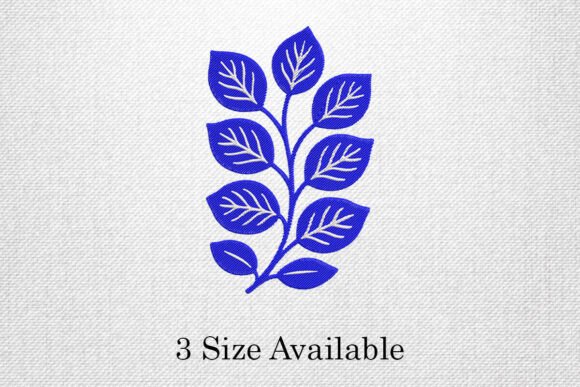
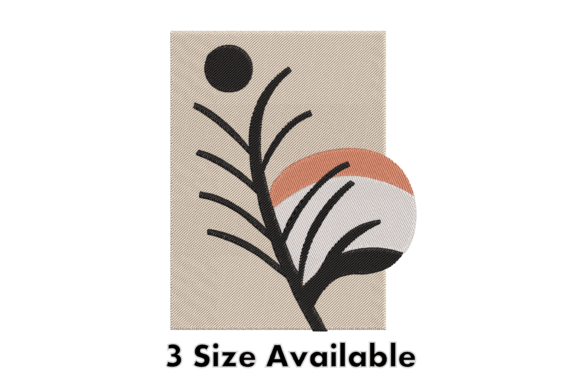
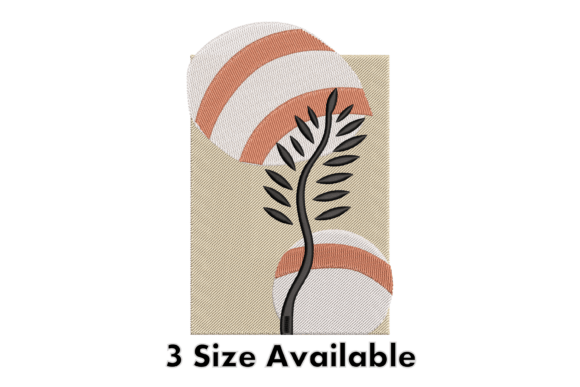
The immediate appeal of this design lies in its balanced composition. It belongs to the Single Flowers category, yet it avoids the cliché of a traditional botanical illustration. Instead, it merges organic leaf elements with sharp geometric lines. This juxtaposition creates a mood that is contemporary and calm. For an embroidery project, this visual personality is crucial. It does not scream for attention; it invites it. The layout feels intentional, with enough negative space to let the fabric texture breathe, which is a hallmark of high-quality design assets.
When viewing the preview, I noticed the clean transitions between shapes. There is no visual clutter. This suggests that the digitizer prioritized stitch flow over unnecessary density. For those of us creating handmade products, this means the final look will be crisp rather than bulky. It feels like a design meant for modern living spaces and wardrobes, fitting seamlessly into brands that value understated elegance.
Real-World Application: The Tote Bag Test
To truly evaluate an embroidery file, you must move beyond the screen. I decided to test this design on a heavy canvas tote bag, a staple item for many Etsy sellers and small shop owners. The goal was to create a personalized gift that felt boutique-quality without excessive production time.
The stitching process was smooth. The geometric elements relied heavily on what appeared to be a combination of satin stitch for borders and fill stitch for broader areas, while the leaf veins utilized a delicate running stitch. On the thick canvas, the design anchored well. The contrast between the thread and the natural fiber was striking. Customers often judge a finished product by its tactile quality, and this design delivered a flat, professional finish that did not puckering the fabric excessively. It transformed a basic utility item into a stylish accessory, proving its viability for commercial embroidery ventures.
Versatility Across Apparel and Home Decor
Beyond tote bags, this design shines in custom apparel. I envision it working exceptionally well on sweatshirt embroidery projects, placed subtly on the left chest or larger on the back for a statement piece. Because the style is gender-neutral, it fits perfectly on t-shirts for men, women, and kids alike. It avoids the overly feminine tropes sometimes found in floral designs, making it a safe bet for diverse customer bases.
For home decor, consider using it on pillow covers or kitchen towels. The minimalist aesthetic aligns with current interior design trends. However, when applying it to thinner fabrics like tea towels, one must be mindful of stitch density. While the design appears light, always check the specific file details to ensure it won’t distort lightweight linen or cotton.
Technical Considerations and Fabric Choices
No design is universal, and practical judgment requires knowing where to exercise caution. While this Modern Minimalist Embroidery Design is robust, it demands respect for material limitations.
- Fabric Texture: On highly textured fabrics like wool or bouclé, the fine geometric lines might get lost. Stick to smooth surfaces like jersey, canvas, or polished cotton for maximum clarity.
- Stretchy Materials: If using this on baby clothes or athletic wear, proper stabilization is non-negotiable. A cut-away stabilizer is recommended to prevent distortion after washing.
- Dark Fabrics: The design relies on shape definition. On dark fabrics, ensure your thread colors provide sufficient contrast. A monochromatic look can work, but only if the sheen of the thread differs from the fabric matte finish.
- Curved Surfaces: Applying this to caps requires careful hooping. The geometric straight lines can reveal any misalignment instantly. Use a cap frame and test on a scrap piece first.
Additionally, be wary of tiny details if you are downsizing the design. If you attempt to shrink it below a certain hoop size, the intricate leaf veins may merge or break. Always review the design at 100% scale on your machine’s screen before hitting start.
Enhancing Brand Value and Customer Trust
For craft business owners, consistency is key to building trust. This design offers a cohesive look that can become part of your brand identity. Whether used in holiday embroidery gifts or everyday small shop products, it communicates professionalism. Buyers engage more with products that look deliberate and well-executed. A clean, minimalist design suggests that the maker cares about precision, which enhances the perceived value of the handmade product.
Moreover, this design is excellent for creating printable mockups for digital listings. Its clear lines translate well in photos, helping potential customers visualize the item on their own bodies or in their homes. This visual clarity can significantly boost buyer engagement on platforms like Etsy.
Practical Notes for the Designer
Before committing to a large batch of custom apparel or embroidered patches, follow these steps:
- Test on Scrap Fabric: Never skip this step. Verify how the threads interact with your specific material.
- Check Thread Contrast: Ensure your chosen palette highlights the geometric vs. organic elements effectively.
- Inspect Stitch Density: Look for areas that might be too dense for thin fabrics, which could cause stiffness.
- Verify Licensing: Since this is a digital embroidery file, confirm whether the license allows for commercial use of finished items. Most designers allow selling physical goods but restrict reselling the file itself.
- Mockup in Black and White: This helps identify value issues and ensures the design holds up without color reliance.
In conclusion, the Modern Minimalist Embroidery Design is a thoughtful addition to any designer’s library. It balances trendiness with timeless structure, making it suitable for a wide range of applications from baby embroidery to upscale boutique branding. By respecting its technical requirements and leveraging its aesthetic strengths, you can create products that resonate with modern consumers. It is not just a pattern; it is a tool for elevating your craft.