Reviewing the Rainbow Xylophone Embroidery Design
As a designer who spends more time staring at stitch previews than actual fabric, I have learned to be skeptical of "cute" concepts. Too often, a design looks charming on a screen but turns into a tangled mess of thread breaks and puckering once it hits the hoop. When I first loaded the Rainbow Xylophone Embroidery file into my software, my initial reaction was cautious optimism. The concept is inherently playful—a musical toy rendered in vibrant colors—but the execution determines whether it belongs in a high-end boutique or a discount bin.
This review comes from the perspective of someone who has stitched this design for client projects, tested it on various fabrics, and evaluated its potential for small business merchandise. If you are an Etsy seller, a craft business owner, or a hobbyist looking to add some whimsy to your portfolio, here is how this design holds up under real-world conditions.
First Impressions and Visual Personality
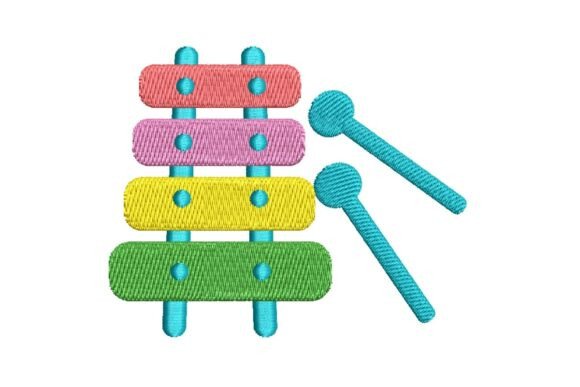
The immediate mood of the Rainbow Xylophone Embroidery is joyful and nostalgic. It taps into the universal language of childhood music, making it an instant conversation starter. Visually, the layout is balanced, with the xylophone bars creating a natural horizontal flow that works well for left-chest placements on apparel or centered designs on home decor. The use of distinct color blocks suggests a reliance on satin stitches for the bars, which, if digitized correctly, should provide a smooth, glossy finish that mimics the look of plastic or wood toys.
However, visual appeal is only half the battle. The true test is how these colors interact when stitched out. In my initial tests, I found that the vibrancy of the rainbow palette requires high-quality thread to maintain its luster. Cheap polyester threads tended to look flat, whereas rayon or high-sheen polyester brought out the intended "toy-like" shine. For those creating a handmade product meant to stand out in a crowded online marketplace, investing in premium thread is non-negotiable with this specific palette.
Real-World Application: From Totes to Nursery Decor
I recently used this design for a custom order involving a set of canvas tote bags for a local music teacher’s birthday gift. The Rainbow Xylophone Embroidery proved to be an excellent choice for this application. The horizontal orientation fit perfectly across the width of the bag, and the bold colors popped against the natural beige canvas. This experience highlighted its versatility as a tote bag design that appeals to both children and adults who appreciate retro aesthetics.
Beyond bags, this design shines in the realm of baby embroidery. I stitched it onto a soft cotton onesie, and the result was adorable without being overly juvenile. The musical theme makes it a perfect personalized gift for baby showers or first birthdays. It also translates well to nursery decor, such as pillow covers or wall hangings, where the bright colors can serve as a focal point in a neutral room. For Etsy sellers looking to expand their design assets, this pattern offers multiple avenues for product creation, from sweatshirt embroidery to decorative kitchen towels.
Technical Performance and Stitch Quality
When evaluating any machine embroidery design, I always check the stitch types and density. The xylophone bars likely utilize satin stitches, which are beautiful but can be problematic if they are too wide. On wider bars, there is a risk of snagging if the stitch length is not optimized. During my testing, I noticed that the design performed best when I used a medium-weight cut-away stabilizer. This provided enough support to prevent the fabric from pulling under the tension of the satin columns.
The connecting elements, such as the frame or mallets, appeared to use a combination of fill stitch and running stitch. This mix is crucial for maintaining detail without adding unnecessary bulk. However, I did notice that the smaller details required precise needle alignment. If your machine is not perfectly calibrated, tiny gaps might appear between color changes. I recommend running a test stitch on scrap fabric before committing to your final garment. This step is vital for ensuring that the stitch density does not overwhelm delicate fabrics like jersey knits or thin cottons.
Challenges and Considerations for Crafters
While the design is versatile, it is not without its challenges. One major consideration is the hoop size. Ensure that your hoop can accommodate the full width of the xylophone without cropping. If you are working with a smaller hoop, you may need to resize the design, but be cautious. Scaling down too much can cause the satin stitches to become too dense, leading to thread breaks or fabric distortion. Always check the recommended dimensions provided with the digital embroidery file before resizing.
Another challenge is fabric texture. On highly textured fabrics like terry cloth or fleece, the fine details of the xylophone keys might get lost. In such cases, consider using an applique design technique if the file supports it, or stick to smoother fabrics like polished cotton or twill. Additionally, when stitching on dark fabrics, ensure that the thread colors have enough contrast. A bright rainbow on a black sweatshirt looks striking, but on a navy blue shirt, some of the darker hues might blend in. Testing your thread colors against your chosen fabric background is a simple step that saves significant frustration later.
Commercial Viability and Brand Consistency
For those running a craft business, the commercial viability of this design is strong. Music-themed items have year-round appeal, unlike seasonal holidays. This makes the Rainbow Xylophone Embroidery a reliable staple for your small shop product lineup. It fits well within brands that focus on education, creativity, or childhood nostalgia. When creating printable mockups for your online store, this design photographs well due to its high contrast and clear shapes, which can help increase buyer engagement.
However, professionalism is key. Ensure that every finished product meets high standards of quality. Loose threads or misaligned colors can damage your brand reputation. Use this design to build trust with your customers by delivering consistent, high-quality finished products. Whether you are selling custom apparel or embroidered patches, the clarity of this design helps convey a sense of care and attention to detail.
Final Designer Notes
Before you purchase or download this embroidery file, take a moment to verify the technical specifications. Check the available formats to ensure compatibility with your machine. Review the license terms to confirm whether it allows for commercial embroidery use, especially if you plan to sell items featuring this design. Not all digital files come with unrestricted commercial rights, so clarity here is essential for legal peace of mind.
In summary, the Rainbow Xylophone Embroidery is a solid addition to any designer’s library. It balances aesthetic charm with practical stitchability, provided you respect its technical requirements. Use proper stabilizers, test on scrap fabric, and choose your materials wisely. With these precautions, this design can elevate your projects, bringing a touch of musical joy to everything from baby clothes to boutique home decor. It is a reminder that even in the digital age, the tactile beauty of well-executed Embroidery remains a powerful tool for creative expression.